
glass full length mirror
The Runout Reality: What Shops Are Really Buying (and Why It Matters) If you’ve ever chased a mysterious vibration or a whisper of noise in a gearbox, you’ve met the culprit: radial runout. The tool most machine shops are leaning on now is the runout tester . To be honest, it’s not glamorous—two centers, a base, a probe—but it’s the quiet difference between a smooth spindle and a warranty claim. Quick background and where it’s built The instrument I’m looking at today is a pendulum-style runout tester from STR Machinery (Origin: No.17, Building 11, Hardware Building Material City, Botou, Cangzhou City, Hebei Province, China). It locates the shaft between two thimbles (centers), rotates the part, and the probe reads total indicator runout (TIR) directly in the radial direction. Simple, repeatable, shop-floor friendly. Why the spike in demand? Two words: electrification and noise. EV suppliers, servo motor makers, and precision pump builders are tightening GD&T callouts. Many customers say they used to accept 15–20 μm TIR on small shafts; now it’s single digits. Surprisingly, the cost of missing those specs isn’t just scrap—it’s downstream balancing, bearing heat, and customer returns. Product snapshot and specs Parameter Spec (typ.) Notes Center distance ≈ 50–500 mm (custom up to 1,000 mm) Real-world use may vary by fixture Indicator/probe 0.5–1 μm resolution (dial/LVDT) Digital readout optional Base and centers Cast iron or granite; HRC 58–62 centers Carbide tips optional Repeatability ≤ 1 μm (on gauge masters) Uncertainty U ≈ 2 μm (k=2) Max part weight ≈ 20 kg (higher on request) Balanced rotation recommended Service life 8–10 years typical With annual calibration Where it’s used (and what people measure) Automotive: camshafts, input/output shafts, e-axle rotors Industrial motors: spindles, armatures, pump shafts Medical and tooling: surgical reamers, precision mandrels Typical standards referenced on drawings: ISO 1101 run-out, ASME Y14.5 circular runout and total runout. Some customers also tie results to balancing per ISO 21940 for rotors. Process flow (how shops actually run it) Materials: granite/cast-iron base, hardened steel or carbide centers, LVDT or dial indicator. Methods: verify probe zero on a ring or artifact, mount shaft between centers, rotate by hand (constant speed helps), record TIR at multiple stations (bearing journals, seal lands). Testing standards: ISO 1101/ASME Y14.5 callouts; calibration to ISO 9001 procedures; traceability via a gauge block or roundness master. I guess the unsung hero here is consistency—same pressure, same speed, same operator notes. Customization options STR offers longer beds, custom centers for tiny diameters, dual-probe heads for axial and radial checks, SPC data output (USB/RS-232), and protective enclosures for shop-floor grit. Many customers say the data logging alone paid for itself in PPAPs. Vendor comparison (field notes) Vendor Gauge resolution Customization Lead time Certs After-sales STR Machinery 0.5–1 μm High (beds, probes, data) 3–6 weeks ISO 9001, CE Remote + spares Global Brand X 0.2–0.5 μm Medium 8–12 weeks ISO 17025 support Global onsite DIY V-block + dial 1–10 μm Low Immediate None Self-maintained Real-world results Case 1 (Tier-1 EV supplier): switching to a runout tester with dual-probe data logging cut camshaft scrap from 3.1% to 0.6% in 90 days; worst-station TIR dropped from 11 μm to 6 μm after process tuning. Case 2 (EU bearing plant): introducing standardized runout tester routines reduced balancing weights on small rotors by ≈18%, correlating TIR stations with mass eccentricity per ISO 21940. Compliance and paperwork Typical package includes ISO 9001 calibration record, CE declaration, and probe certificate. Test method references: ISO 1101 run-out symbols and ASME Y14.5 definitions. In practice, I’d still validate uncertainty against your own masters. Final thought Measuring runout isn’t exciting, but the payback shows up in quieter machines and calmer QA reviews. Actually, that’s priceless. ISO 1101:2017 — Geometrical product specifications (GPS) — Geometrical tolerancing — Tolerances of form, orientation, location and run-out. https://www.iso.org/standard/69150.html ASME Y14.5-2018 — Dimensioning and Tolerancing. https://www.asme.org/codes-standards/find-codes-standards/y14-5-dimensioning-and-tolerancing ISO 21940 (series) — Mechanical vibration — Rotor balancing. https://www.iso.org/committee/54108.html
about
glass full length mirror
Plain ve Block Farklar ve Kullanım Alanları Günümüzde mimarlık ve inşaat sektöründe sıkça karşılaşılan terimlerden biri olan plain ve block, yapı malzemeleri ve teknikleri arasında önemli bir yer tutar. Bu terimler, yapıların tasarımında ve inşaatında kullanılan farklı yapı elemanlarını ifade eder. Bu yazıda, plain ve block arasındaki farkları, avantajlarını ve hangi durumlarda hangi tipin tercih edilmesi gerektiğini inceleyeceğiz. Plain Nedir? Plain terimi, genellikle düz ve basit şekilli, genellikle işlenmemiş malzemeleri ifade eder. Bu tür malzemeler, genellikle daha az işçilik gerektirir ve dolayısıyla daha düşük maliyetli olabilir. Örneğin, düz beton levhalar veya daha az işlenmiş ahşap parçaları, plain kategorisine girebilir. Plain malzemelerin kullanımı, genellikle minimalist tasarımlar ve sade yapılar için idealdir. Düz yüzeyler, zaman zaman modern mimaride tercih edilir çünkü temiz ve basit çizgiler sunar. Ayrıca, bu tür materyallerin bakımı ve onarımı genellikle daha kolaydır. Ancak, placeların görsel cazibesi bazen sınırlı olabilir ve daha fazla estetikk arayan projelerde yeterli olmayabilir. Block Nedir? Block terimi ise genellikle daha büyük, genellikle belirli bir şekil veya boyutta kesilmiş ve işlenmiş yapı elemanlarını ifade eder. Bloklar, tuğla, beton blok veya taş gibi farklı malzemelerden yapılabilir. Bu yapı elemanları, genellikle duvar inşaatında ve temel yapıların oluşturulmasında kullanılır. Block malzemelerin avantajı, daha dayanıklı ve sağlam yapılar oluşturma kapasiteleridir. plain v block Blok yapılar, genellikle daha yüksek yapısal bütünlük sunar. Bu nedenle, özellikle yüksek katlı binalar veya büyük yapılar için tercih edilirler. Ayrıca, blok malzemeler, izolasyon özellikleri nedeniyle enerji verimliliği sağlayabilir. Bu da maliyetleri düşürme ve sürdürülebilir yapı tasarımına katkı sağlama açısından önemlidir. Plain ve Block Arasındaki Farklar Plain ve block arasındaki en belirgin fark, şekil ve işlenme düzeyidir. Plain malzemeler genellikle daha basit ve düz şekillere sahiptir, daha az işlenmiş ve daha düşük maliyetlidir. Diğer yandan, block malzemeler, genellikle belirli bir şekil ve boyutta kesilmiş ve işlenmiş yapısal elemanlardır, bu da onların daha yüksek dayanaklılık ve estetik sunmasına olanak tanır. Kullanım alanları da farklılık gösterir. Plain malzemeler, genellikle dekoratif amaçlarla veya basit yapılar için tercih edilirken, block malzemeler daha karmaşık ve dayanıklı yapılar için idealdir. Bu nedenle, mimarlar ve inşaat mühendisleri, projelerinin gereksinimlerine bağlı olarak hangi tipi kullanacaklarına karar vermekte zorlanabilirler. Sonuç Plain ve block malzemeleri, mimaride farklı ihtiyaçlara ve tasarım anlayışlarına hitap eden önemli yapı elemanlarıdır. Hangi malzemenin kullanılacağı, projenin bütçesi, estetik beklentileri ve teknik gereksinimleri doğrultusunda belirlenmelidir. Hem plain hem de block malzemelerin avantajları ve dezavantajları göz önünde bulundurulduğunda, doğru tercihler yapmak, sağlam, estetik ve sürdürülebilir yapılar oluşturmak için hayati öneme sahiptir.
-

High quality industrial productsagement

High quality industrial products
View Details -

Meet the diverse needs of customers

Meet the diverse needs of customers
View Details -

Strict quality control

Strict quality control
View Details -

Top raw materials

Top raw materials
View Details -

Trusted supplier

Trusted supplier
View Details
Our application


news and information
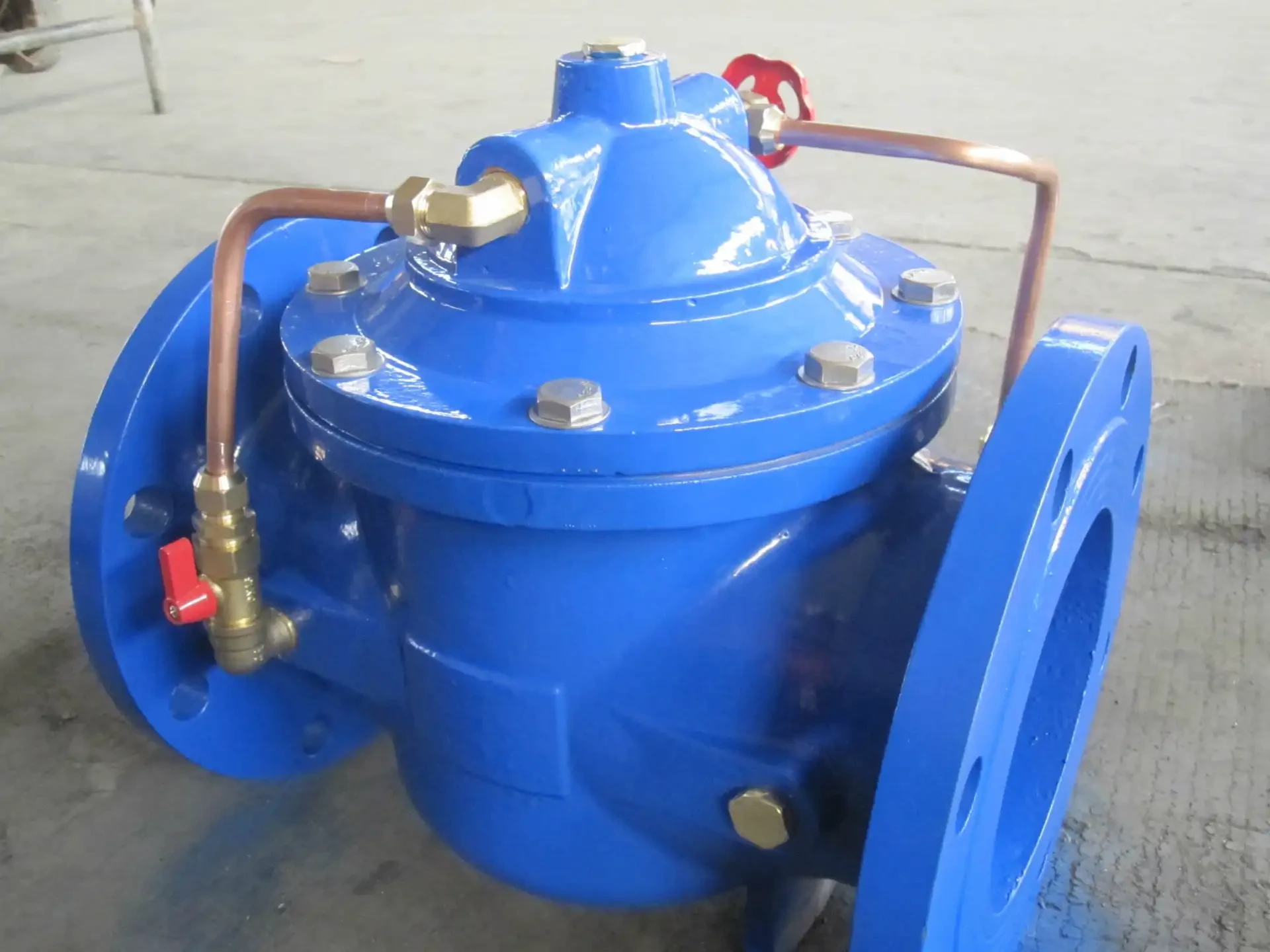
water globe valve
Understanding Water Globe Valves Design, Function, and Applications Water globe valves are essential
Versatile 48% Butterfly Valve for Enhanced Flow Control in Various Applications
Understanding the 48% Butterfly Valve A Key Component in Modern Flow Control When it comes to flow c
Using Tapered Plug Gauges for Precision Measurement and Quality Control in Manufacturing
Understanding Taper Plug Gauges and Their Applications In precision engineering and manufacturing, e
 English